Mould that keeps coming back in food production: why it returns, and which cleaning method actually changes the conditions
Mould in a food-production room is rarely a surface problem. It is a moisture problem with a surface symptom.
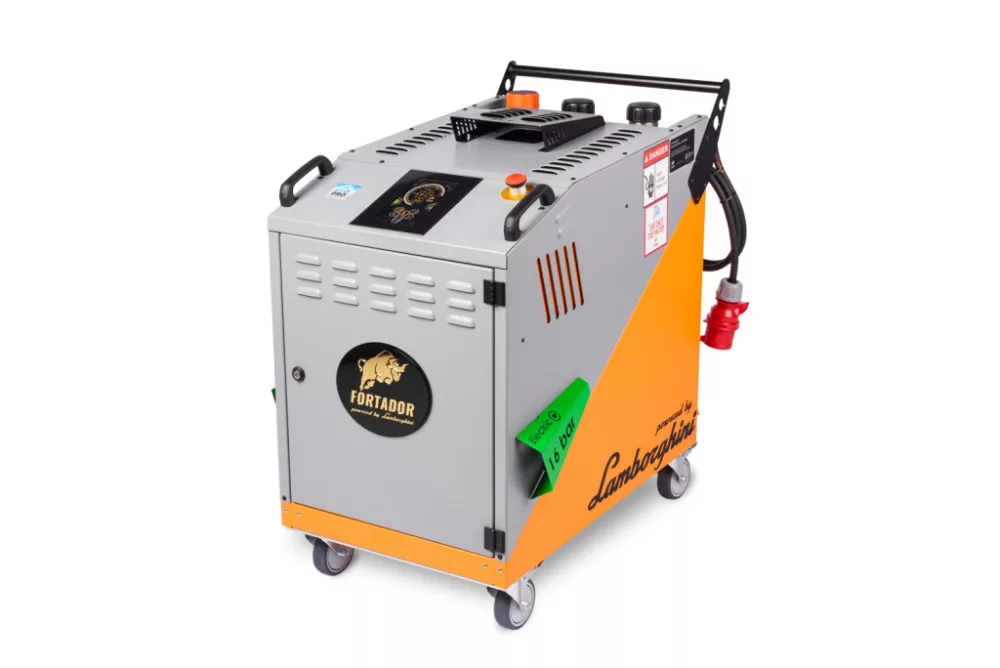
Mould in a food-production room is rarely a surface problem. It is a moisture problem with a surface symptom. Spores are present in every production environment; they germinate where there is water, a nutrient film and a temperature they tolerate. If you remove the visible growth but leave the film and the moisture behind, the colony returns on the same wall, the same ceiling joint, the same conveyor edge, often within the same production week.
The usual consequences are known to every production manager: repeated manual cleaning of the same areas, wet surfaces that stay wet, chemical consumption that rises without the result improving, and findings in internal checks that are difficult to close.
Where mould settles, and what fits
| Area | Typical cause | Technology that fits | Limit |
|---|---|---|---|
| Walls, ceilings, silicone joints in wet rooms | condensation, poor drying | dry steam | porous or damaged joints must be replaced, not cleaned |
| Conveyor belts, dough equipment, filler parts | fat and protein film in seams | dry steam | heat-sensitive plastics and seals need checked contact time |
| Cold rooms, ripening rooms, air ducts (dry process required) | condensation on cold surfaces | dry-ice blasting | needs extraction or ventilation; CO2 collects at floor level |
| Dismountable parts, nozzles, small fittings | hardened residue in cavities | ultrasonic cleaning | parts must be removed and later dried |
| Floors, drains, outdoor and loading areas | organic load, standing water | high-pressure cleaning | generates aerosols and water; not for electrical zones |
The mechanism: heat plus very little water
Dry steam works with saturated steam that carries a low share of liquid water. The steam leaves the nozzle above 100 °C at atmospheric pressure; the temperature actually reaching the surface depends on nozzle distance, nozzle type, hold time and the material you are cleaning. The heat softens the fat and protein film that feeds the growth, and the brush or nozzle removes it mechanically. Because the water content is low, the surface dries faster than after wet cleaning, which is exactly the condition mould needs you to get wrong.
Dry steam supports a hygiene plan. It does not certify it, and it does not replace your verification swabs or your chemical steps where your plan requires them.
Dry steam does not fit everywhere. In a cold room where the surface must stay dry, or on electrical equipment where water is not acceptable, dry-ice blasting is the better route: solid CO2 at −78.5 °C sublimates on contact and leaves no liquid cleaning medium behind, only the removed material to be collected. It requires ventilation or CO2 monitoring, hearing protection, and it is louder than steam. For removable parts with cavities, ultrasonic cleaning reaches geometries no nozzle reaches.
Cost, effort and the operator’s side
A steam generator for industrial use is an investment with a long service life, consumables limited to water treatment, brushes and seals, and an operator training requirement that is short but not optional. Steam at these temperatures causes burns if the nozzle is handled carelessly. Running cost depends on duty cycle and water quality; hard water without treatment shortens boiler life.
HD Cleaners supplies the machines and services them. Purchase, GRENKE leasing and AUTONOM long-term rental are available. Where rental is chosen, monthly rental costs may be tax-deductible, depending on the client’s accounting and tax situation.
Before you decide
Miercurea Ciuc is far from most production sites in Romania, which is why testing happens in more than one way: a visit to the showroom, a representative part sent or brought in for a test, a test on your own application, or an on-site demonstration where it makes sense. You receive the full technical datasheet before you buy.
Describe your problem to the team in Miercurea Ciuc: room, surface material, type of growth, temperature and current cleaning routine.
FAQ
The mould comes back after two weeks. Is the cleaning method wrong? Possibly, but check moisture first. If condensation returns, any method will be temporary.
Can we clean while the line is running? No. Steam and dry ice both require the area to be cleared and the product protected.
Does steam damage stainless steel? Stainless steel tolerates it. Plastics, seals and painted surfaces depend on the material; test on a sample area.
Dry steam or dry ice for a cold room? Dry ice, when the surface must stay dry and water is not acceptable.